




The silent advantage: Why parents should resist the urge to coach from the sidelines
Watching your child compete in sports is a thrilling experience. Every pass, every shot, every move sparks a reaction. It’s natural to want to encourage, guide, and sometimes even instruct from the sidelines. But while shouting directions may feel helpful in the moment, it can actually hinder performance, disrupt learning, and increase pressure on young athletes.
Instead of enhancing the experience, sideline coaching often creates confusion, reduces confidence, and can even strain the player-coach dynamic. Let’s explore why staying silent during games is one of the best ways parents can support their young athletes.
Why shouting instructions does more harm than good
It creates confusion and distracts from the game
Young athletes are already focused on processing the fast-moving action around them. When multiple voices—coaches, teammates, and parents—compete for their attention, decision-making suffers. Instead of reacting instinctively, they hesitate, unsure of whom to listen to. A split-second delay can make the difference between a great play and a costly mistake.
- Better approach: Let them trust their own judgement without interference.
It hinders independent decision-making
One of the greatest benefits of sports is learning how to think under pressure. When parents constantly shout instructions, young players become reliant on external guidance instead of their own instincts. This dependency slows their development, making it harder for them to adapt and make quick, confident decisions on the field.
- Better approach: Encourage autonomy—mistakes are part of learning.
It increases pressure and anxiety
Even with the best intentions, sideline shouting can make young athletes feel like their every move is being judged. Instead of playing freely and enjoying the game, they may start playing to avoid mistakes, worrying more about pleasing parents than improving their skills. Over time, this pressure can lead to performance anxiety, frustration, and even a loss of love for the sport.
- Better approach: Replace pressure with encouragement—let them focus on effort, not perfection.
It undermines the coach’s role
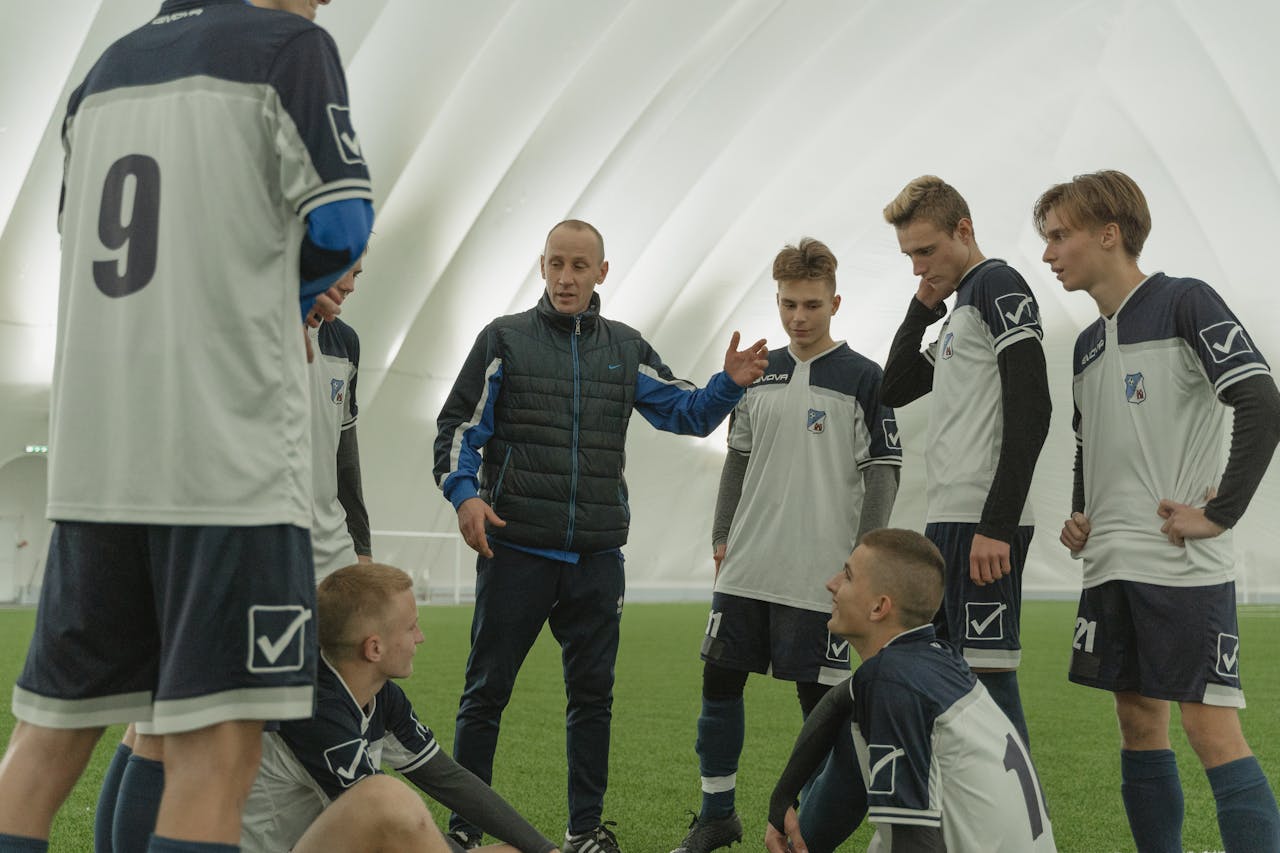
Coaches spend hours preparing their teams, developing tactics, and fostering teamwork. When parents contradict those instructions from the sidelines, it creates confusion and frustration for young players. Who should they listen to—the coach or their parents? This dynamic can weaken team cohesion and disrupt learning.
- Better approach: Trust the coach—support, don’t interfere.
How different age groups respond to sideline coaching
Athletes at different stages of development react to sideline shouting in different ways. The impact may not always be visible immediately, but over time, the effects can shape a child’s confidence, enjoyment, and long-term participation in sports.
🟢 Ages 6-10: The learning stage
At this age, sport is about fun and development. Complex instructions can be overwhelming, leading to frustration or disengagement. Kids benefit most from positive reinforcement and simple encouragement.
🟡 Ages 11-14: The confidence stage
Middle school athletes are beginning to refine their skills, but they are still impressionable and sensitive to criticism. Shouting instructions can create fear of failure, making them hesitant to take risks or try new things.
🔴 Ages 15-18: The pressure stage
Older athletes are more skilled, but they also face greater expectations from coaches, peers, and themselves. Sideline shouting adds unnecessary stress, leading to self-doubt or frustration. At this level, players need space to think, problem-solve, and grow in confidence.
What parents can do instead
- Encourage and support – A simple “Well done!” or “Keep going!” does more for confidence than a stream of instructions.
- Trust the coaches – They are there to develop skills, strategy, and teamwork—let them do their job.
- Talk after the game – Instead of coaching from the sidelines, have a constructive conversation afterwards: “What did you enjoy? What did you learn?”
- Model good sportsmanship – Respect coaches, referees, and players. Your child learns from your behaviourmore than your words.
Final thoughts: Silence speaks volumes
The urge to coach from the sidelines comes from a place of love—every parent wants their child to succeed. But true success in sport isn’t about perfect execution in every game; it’s about growth, confidence, and resilience over time.
By resisting the temptation to shout instructions and instead offering quiet support, trust, and encouragement, parents create an environment where young athletes can flourish, enjoy the game, and develop their skills independently.
Sometimes, the best way to help your child succeed is to simply let them play.