




Oops, I did it again
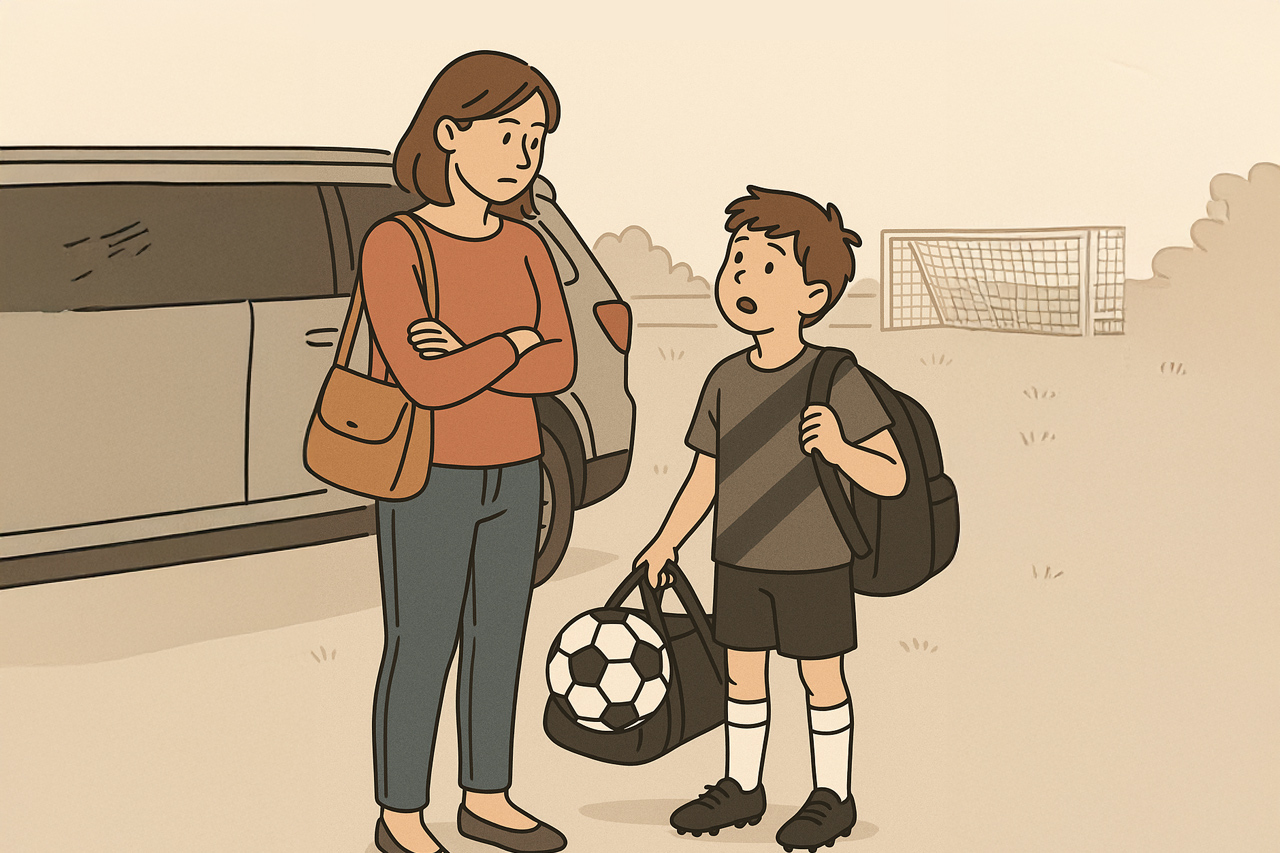
“Oops, I forgot my boots!” Managing your young athlete’s forgetfulness without losing your mind
You’ve just made it through traffic, juggled snacks, and rushed them to training. As you pull up, they say it.
“I forgot my boots.”
Of course they did.
If this feels like a familiar script, you’re not alone. One week it’s the water bottle, the next it’s shin pads, then somehow… no boots. It’s frustrating, especially when you’ve put in so much effort to get them there on time. But before losing it, let’s take a step back and look at what’s going on underneath.
First, zoom out
Forgetfulness in kids is common and often linked to their still-developing executive functioning. That’s the part of the brain responsible for planning, remembering, and organising. What feels like carelessness is often just immaturity. It doesn’t mean we ignore it, but it helps to stay curious rather than critical.
Instead of,
“How many times do I have to tell you?”
Try,
“What do you think keeps getting in the way of remembering everything?”
This opens up dialogue and invites them to problem-solve with you.
Build the habit, not just the memory
Nagging doesn’t work. Systems do. Help your child create a pre-training checklist they can run through themselves. It can be visual or written depending on age, and include essentials like:
- Boots
- Shin pads
- Water
- Kit
- Snack
- Jacket
Stick it by the door or in their sports bag. Make it part of their routine so the mental load shifts to them.
A Sunday evening pack-check can also help build the habit. It only takes five minutes but teaches planning and responsibility.
Know when to rescue and when not to
This is the hard part. If they forget something important and miss part of training, that’s a natural consequence. It teaches more than a lecture ever could.
But if they’re new to the team, under stress, or going through change, they may need more support. It’s about balance. You might say,
“I’ll bring your boots this time, but let’s make a plan so it doesn’t happen again.”
The goal is to support them without always stepping in. Let them feel the impact in a safe way.
Celebrate progress
When they remember everything without reminders, acknowledge it.
“I noticed you packed your bag today without help. That shows you’re really growing up.”
Kids repeat what gets noticed. These small moments build internal motivation and pride.
Keep the bigger picture in mind
Yes, it’s annoying. But these little mishaps are where life skills are built. Organisation, preparation, responsibility. These take practice.
Next time they forget something, pause and ask yourself:
Is this a moment to step back or a moment to step in?
Am I doing this for them or helping them do it for themselves?
And if you need to, keep a spare pair of boots in the car. Just in case.
Anoush Davies & the PMU Team
MSc, Certified life and parent coach (PCC, ICF)
MSc, Certified life and parent coach (PCC, ICF)
Please refer to the PMU articles page for more articles. PMU is committed to helping young athletes, parents, and coaches reach their full potential through psychoeducation, articles, training programs and courses.
Disclaimer: This article is for informational purposes only and is not a substitute for professional medical advice, diagnosis, or treatment. Always seek the advice of your physician or qualified mental health provider with any questions you may have regarding a medical condition.