




Do Young Athletes Fixate on Mistakes After Competing?
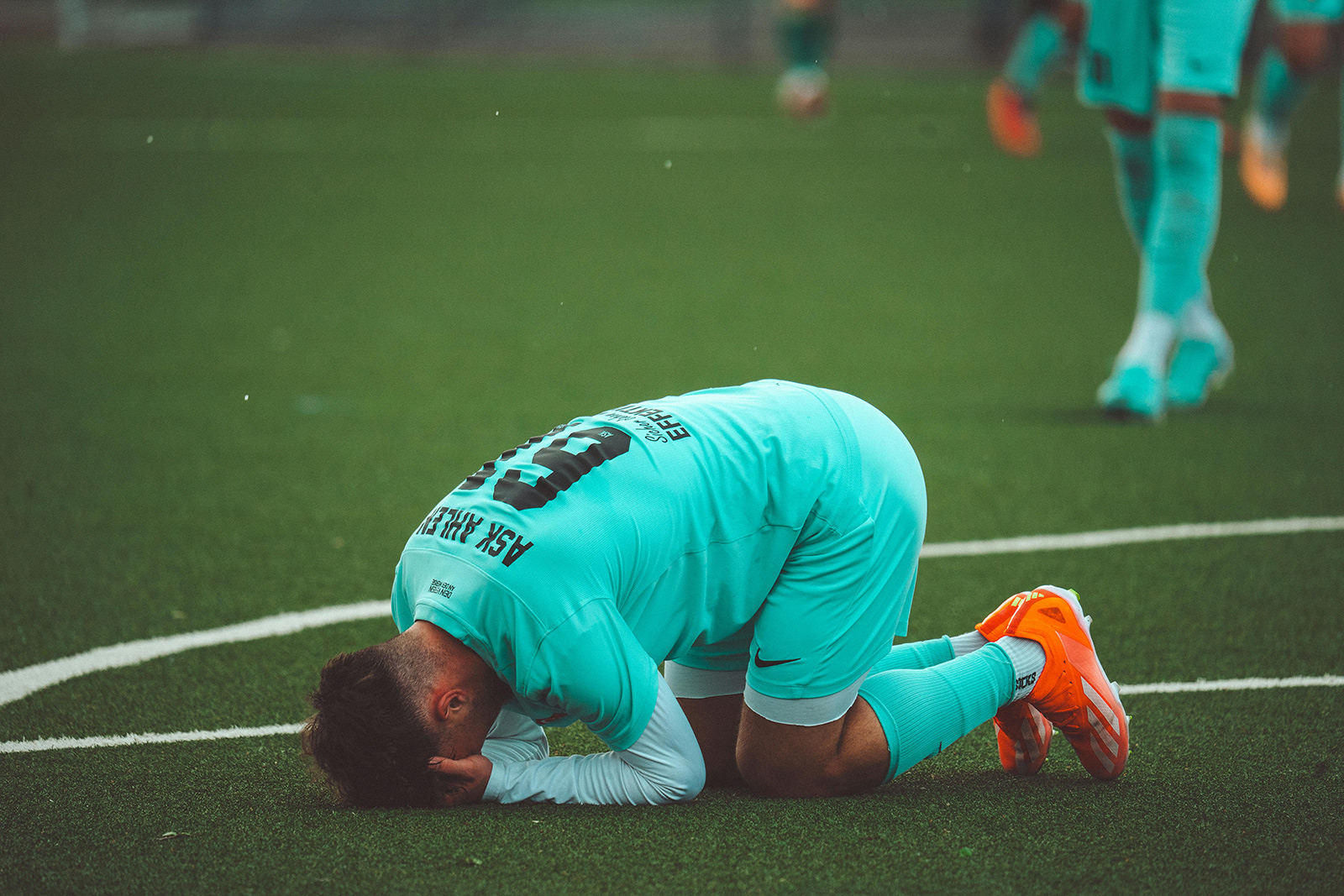
Do young athletes often find themselves dwelling on what went wrong rather than celebrating what went right after a game? It’s a common struggle—replaying every misstep in their minds and overlooking the skills and strengths they demonstrated. This tendency often reflects perfectionism, a challenge many young athletes face in competitive sports.
The Pressure of Perfectionism
Perfectionist athletes hold themselves to incredibly high standards. When those standards aren’t met, an unforgiving inner critic emerges, magnifying their errors while dismissing their successes. This relentless focus on shortcomings can erode their self-confidence, robbing them of the joy of the game and the valuable lessons competition can teach.
Breaking the Cycle of Self-Criticism
While it’s easy to feel trapped in this cycle, there is hope. Athletes who continually replay mistakes and question their abilities can learn to transform competition into an opportunity for growth and confidence building, rather than letting it chip away at their self-esteem.
From Self-Judgment to Self-Improvement
What if young athletes could view mistakes as essential learning experiences? Imagine them feeling motivated to grow instead of defeated. This shift is where adopting a growth mindset can make all the difference. It’s about seeing every match, win or loss, as a step toward improvement.
A practical strategy is encouraging athletes to reflect on their performance constructively. They can name two things they did well—such as maintaining focus or executing a new skill—and two areas to improve. This reframing moves them from “I failed” to “I’m learning and growing.”
The Role of Parents and Coaches
Adults play a crucial role in guiding this transformation. While it’s natural to want to point out mistakes to help athletes improve, overemphasising errors can be counterproductive. Instead, it’s more beneficial to support young athletes in self-reflection, encourage them to learn from their experiences, and then guide them to move on and enjoy other aspects of their day. Balance is key: while sports are important, so is having a fulfilling life beyond the game.
Helping young athletes break free from perfectionism is about more than enhancing their performance. It’s about nurturing their belief in their potential and celebrating their journey. When they learn to turn self-criticism into self-compassion and embrace growth, they’ll discover a deeper enjoyment in sports and become more resilient, confident competitors.
FOR PARENTS:
How to Support Your Young Athlete After a Tough Loss
Few things tug at a parent’s heartstrings more than seeing their child upset after a game. Whether it was a missed opportunity, a difficult loss, or a performance they aren’t proud of, watching your young athlete break down in tears can be challenging and overwhelming. But how you respond in these moments can make a significant difference in how they learn to handle setbacks.
Why Losses Hurt So Much
For many young athletes, sports are more than just a game. They represent their hard work, passion, and sense of identity. Losing can feel deeply personal, and emotions often run high. As parents, our role is to offer emotional support, helping them navigate these feelings and build emotional intelligence (EQ) for the future.
1. Validate Their Feelings
In the heat of the moment, your child’s emotions are very real. You might be tempted to brush off their upset feelings with phrases like, “It’s just a game,” or “It’s not a big deal.” But for them, it is a big deal. Instead, try to validate their emotions by saying things like, “I can see how disappointed you are,” or “It’s okay to feel upset; you worked so hard.” Acknowledging their feelings shows that you understand and accept them, no matter how tough the situation.
2. Stay Calm and Supportive
When your child is experiencing a meltdown, they need you to be their emotional anchor. Stay calm, patient, and reassuring. Your body language, facial expressions, and tone of voice can all convey support. Even a simple hug can provide the comfort they need. Avoid the urge to problem-solve or discuss the game right away—now is the time to be present and supportive.
3. Encourage Emotional Expression
Crying is a natural way to process strong emotions, and it’s important to give your young athlete the space to express their feelings. Let them know it’s okay to cry and that expressing emotions is a healthy part of being human. You can say, “It’s alright to feel sad or frustrated right now. I’m here for you.” If they’re open to it, encourage them to put their feelings into words, but don’t push them if they’re not ready.
4. Shift the Focus from Winning to Learning
Once the initial wave of emotions has passed, gently guide the conversation toward learning and growth. Help them see that even the toughest games offer valuable lessons. You might say, “What do you think you learned from this game?” or “Is there something you’d like to work on for next time?” Shifting the narrative from winning to self-improvement fosters resilience and a growth mindset.
5. Avoid Overloading Them with Feedback
In the emotional aftermath of a loss, your child may not be ready to hear constructive criticism. Save the detailed analysis for a later time when they’re more open to discussing the game. Instead, focus on offering unconditional support and acknowledging the effort they put in. Statements like, “I’m proud of how hard you tried,” or “You showed a lot of courage today,” can go a long way.
6. Model Healthy Emotional Regulation
Children learn a lot from observing how adults handle emotions. By modeling calm and constructive responses, you teach your child that it’s okay to feel upset and that there are healthy ways to process these feelings. Share your own experiences of dealing with disappointment, emphasising how you managed to work through them.
7. Help Them Reframe the Experience
As your child calms down, help them reframe the experience in a more balanced way. Instead of focusing solely on the loss, remind them of the bigger picture—like the friends they’ve made, the skills they’ve developed, or the joy they get from playing. Reframing doesn’t dismiss their feelings but rather puts them in perspective, helping them move forward.
8. Encourage Recovery and Relaxation
After a tough loss, it’s crucial to give your young athlete a chance to unwind and recharge. Suggest activities that help them feel good, like spending time with friends, enjoying a favorite hobby, or simply having a relaxed family dinner. Remind them that life goes on beyond the game, and it’s okay to have fun and be a kid.
9. Focus on Emotional Intelligence (EQ) Development
Teaching your child to handle losses gracefully is a long-term investment in their emotional intelligence. Help them understand that emotions are normal, and learning to manage them is a powerful skill. Praise their progress in handling disappointments, even if it’s just small steps, and remind them that emotional strength is something that grows with practice.
10. Be Their Biggest Supporter
Above all, your child needs to know that your love and support are not tied to their performance. Remind them that their value isn’t defined by the outcome of a game but by who they are as a person. By offering unconditional support and helping them process their emotions constructively, you empower them to become resilient, confident, and emotionally intelligent athletes.
Final Thoughts
Losses are tough, but they’re also opportunities for growth. By supporting your young athlete with empathy, patience, and a focus on emotional well-being, you’re helping them build the resilience and mindset needed to handle future challenges both on and off the field. Remember, it’s not just about winning or losing; it’s about the lifelong skills they gain through the experience.