




Blog

Finding Your Focus: Five Minutes to Breathe Away Game Day Nerves
Hey, future champions! 🌟 Game day is here, and while excitement is in the air, it’s totally normal to feel a bit nervous. Those butterflies in your stomach? They can be tough! But don’t worry; we have a simple and effective breathing...

Turning Mistakes into Learning Moments: The “Next Play” Mindset
Hey there, future stars! 🌟 Whether you're dribbling down the court, sprinting down the field, or diving into the pool, one thing is for sure: mistakes happen. It’s a part of being an athlete! What matters most is how we deal with those...

Guiding with Integrity: Ethical Coaching Practices for Young Athletes
Introduction to the Coach's Role in Modelling Integrity In the realm of sports, coaches play a pivotal role that extends far beyond training athletes for physical excellence. They are not only mentors but also role models whose actions...

The Power of a Growth Mindset in Sports: How Resilience Helps Young Athletes Overcome Injuries Useful Strategies
In the fast-paced realm of sports, a growth mindset can be your most powerful ally. This mindset, coined by psychologist Carol Dweck, is about believing that abilities and intelligence can be developed through dedication and hard work. It...

Boost Your Belief: Transform Doubt into Confidence Today
As young athletes, it’s normal to feel a bit of self-doubt before a game or practice. But what if you could turn that doubt into confidence? The Confidence Booster Drill is a simple and effective way to help you visualise success and...

Navigating the Journey: How Parents Can Enhance Their Child’s Athletic Experience
In the vibrant world of youth sports, parents play a pivotal role. As parents, we are not merely spectators; we are integral parts of our children’s athletic journeys. Our influence can shape their experiences and attitudes towards sports...

Empathy in Action: Resolving Conflicts Among Young Team Members
Understanding Conflict in Young Teams Navigating conflict within young teams can be a complex endeavour, yet it is a vital aspect of developing a cohesive and resilient group. When considering children aged 5 to 10, understanding the...

When your young athlete feels left out
When your young athlete feels left out. Tips and strategies for parent to help them showing up. It’s a familiar sinking heart feeling for many sports parents. Your child trained hard all week, packed their kit with hopeful energy, only...

Oops, I did it again
"Oops, I forgot my boots!" Managing your young athlete’s forgetfulness without losing your mind You’ve just made it through traffic, juggled snacks, and rushed them to training. As you pull up, they say it. “I forgot my boots.” Of course...

How Young Athletes Can Handle Criticism and Stay Confident
Every young athlete, no matter how talented, will face criticism at some point. It might come from coaches, teammates, parents, the media, or even fans. And let’s be honest—negative comments can hurt. They can make a player question their...

The Hidden Danger Of Overtraining: Why Balance Matters For Young Athletes
For young athletes, sport is meant to be exciting, challenging, and fulfilling. But when the pressure to train harder, compete more, and constantly improve becomes overwhelming, it can cross a dangerous line—overtraining. While dedication...

How Coaches Can Set Boundaries and Be Role Models
Coaching isn’t just about training sessions, tactics, and competition. It’s about leadership, trust, and setting an example that young athletes will carry with them beyond sport. As a coach, you aren’t just teaching skills—you’re shaping...

The Psychology of Clutch Performance: How Football Coaches Unlock High-Pressure Success
Understanding the Psychology of Clutch Performance In the high-stakes football world, understanding the psychology of clutch performance can be the difference between victory and defeat. Clutch performance refers to an athlete's ability...

Why coaches need to communicate effectively with the parents of young athletes
Establishing effective communication with parents is crucial in nurturing young athletes' development. It fosters a harmonious relationship between coaches, parents, and athletes, creating a supportive environment conducive to athletic...

Why young athletes quit training: Understanding the dropout phenomenon
Why do so many young athletes walk away from the sports they once loved? It’s a question that concerns parents, coaches, and sports organisations alike. While some departures are inevitable—interests change, priorities shift—many dropouts...

The silent advantage: Why parents should resist the urge to coach from the sidelines
Watching your child compete in sports is a thrilling experience. Every pass, every shot, every move sparks a reaction. It’s natural to want to encourage, guide, and sometimes even instruct from the sidelines. But while shouting directions...

The overthinking trap: How to help young athletes break free
Overthinking is one of the biggest mental roadblocks in sport. It sneaks in unnoticed, turning a moment of decision-making into a spiral of self-doubt and hesitation. For young athletes, this mental overload can paralyse performance,...

How to beat a physically stronger team with a Growth Mindset
Facing a physically dominant team can feel overwhelming, especially when their motivation comes from fear-based coaching—where mistakes are punished, and winning is the only acceptable outcome. These teams rely on intimidation, strength,...
Mastering the Winning Mindset: Elevating Team Cohesion and Communication in Elite Sports
Introduction to the winning mindset in elite sports In the realm of elite sports, success is not merely measured by physical prowess or technical skills; it is the product of a winning mindset that transcends individual abilities. A...

Part 4 – The Hidden Influence: Unconscious Bias in Football Talent Identification
The Impact on Player Well-Being and Mental Health The influence of unconscious bias in football talent identification extends beyond player selection and development, significantly affecting the well-being and mental health of young...
Part 3 – The Hidden Influence: Unconscious Bias in Football Talent Identification
Strategies for Mitigating Unconscious Bias Addressing unconscious bias in football talent identification requires a multifaceted approach that combines awareness, education, and systemic changes. By implementing targeted strategies, clubs...
Part 2 – The Hidden Influence: Unconscious Bias in Football Talent Identification
The Role of Subjective Evaluation in Talent Identification Subjective evaluation plays a crucial role in the talent identification process in football, often serving as the primary method through which coaches assess and select players....
Part 1 – The Hidden Influence: Unconscious Bias in Football Talent Identification
In the high-stakes world of professional football, the process of identifying and nurturing young talent is crucial for the long-term success of clubs and national teams. However, this process is not immune to the subtle yet pervasive...

Do Young Athletes Fixate on Mistakes After Competing?
Do young athletes often find themselves dwelling on what went wrong rather than celebrating what went right after a game? It's a common struggle—replaying every misstep in their minds and overlooking the skills and strengths they...
Practical Tips to Support Your Child’s Athletic Journey
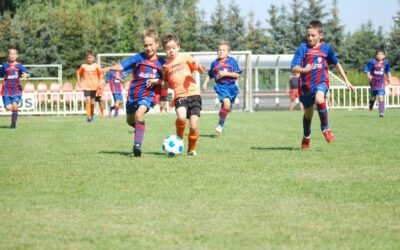
As a parent, your role in supporting your child's soccer ambitions is crucial. Here are some practical tips to ensure your child's mental well-being and foster a positive experience in youth sports: 1. Encourage Open Communication: Create...

Fixed Mindset VS Growth Mindset
As an athlete, understanding the difference between a fixed mindset and a growth mindset is crucial for personal and professional development. In our experience working with athletes, we often encounter individuals struggling to break...