




Empathy in Action: Resolving Conflicts Among Young Team Members
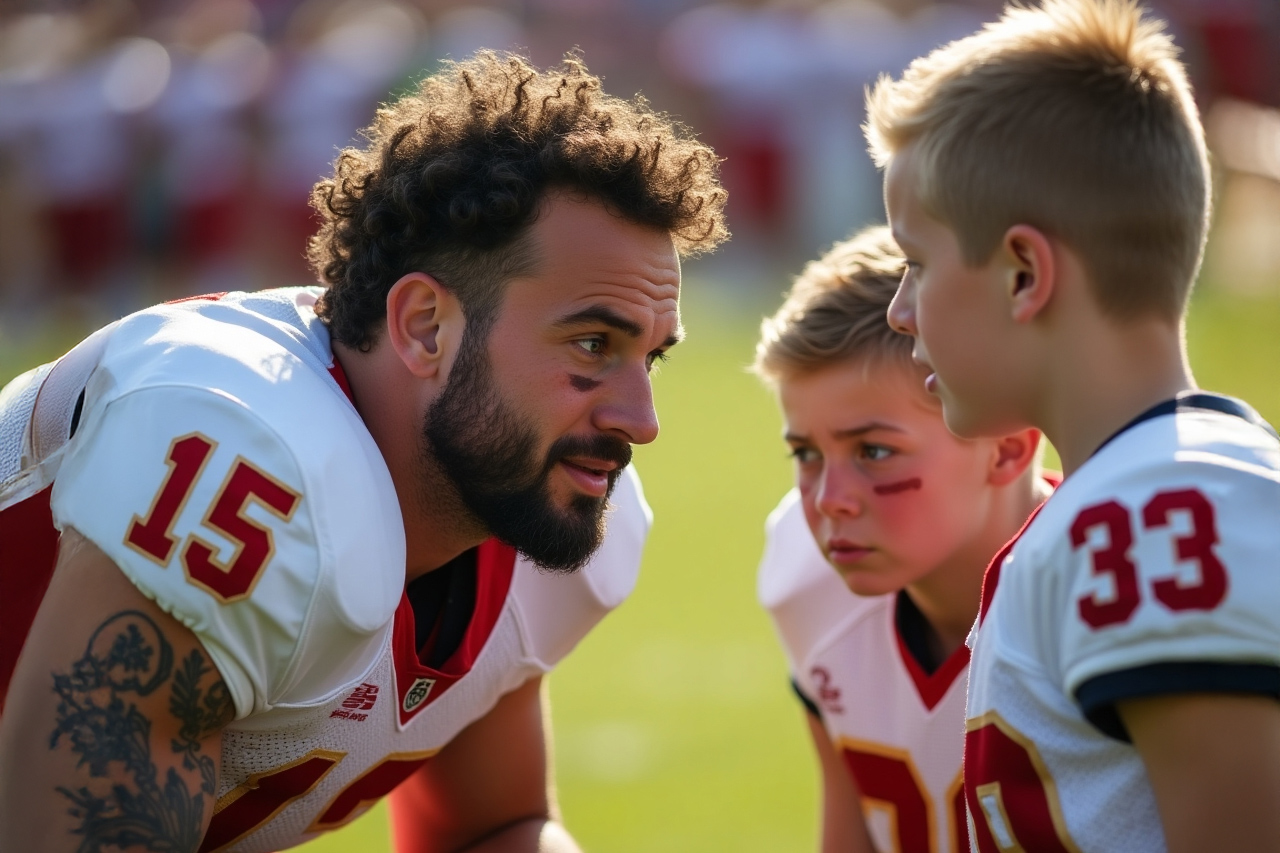
Understanding Conflict in Young Teams
Navigating conflict within young teams can be a complex endeavour, yet it is a vital aspect of developing a cohesive and resilient group. When considering children aged 5 to 10, understanding the nature of their disputes is crucial. At this age, youngsters are still learning essential social skills and how to express themselves effectively. Conflicts often arise from misunderstandings, competition over resources, or differing opinions, which are fundamentally rooted in the developmental stage of the individuals involved.
In young teams, conflicts can manifest in various forms, from verbal disagreements to physical altercations. Recognising these signs early is key to managing the situation before it escalates. As team leaders, we must be attuned to the dynamics at play and understand that these conflicts are part of the learning process. By observing interactions and identifying patterns, we can foster an environment where disputes are seen as opportunities for growth rather than setbacks.
It is essential to approach conflict with empathy and patience. Understanding the emotional and cognitive development of young children can guide us in addressing their needs. Acknowledging their feelings and providing a safe space for expression not only resolves the immediate issue but also contributes to their long-term emotional intelligence.
The Importance of Managing Conflict for Team Cohesion
Managing conflicts effectively is paramount for maintaining team cohesion and promoting harmony. When handled well, conflict can lead to stronger relationships and a deeper understanding among team members. As coaches and leaders, it is our responsibility to ensure that disputes are resolved in a manner that reinforces a sense of unity and collective purpose.
Conflict resolution in young teams is not just about solving problems but also about teaching valuable life skills. By guiding children through the process, we equip them with the ability to handle disagreements constructively. This empowerment not only benefits the current team environment but also prepares them for future interactions beyond the team.
Moreover, effective conflict management can significantly enhance the team’s performance. When children feel heard and respected, they are more likely to contribute positively and collaborate with their peers. This results in a more harmonious and productive atmosphere, where team members support one another and work towards common goals.
Familiar Sources of Conflict Among Young Team Members
While conflicts can arise from numerous sources, there are some common triggers within young teams. One frequent cause is competition for attention, resources, or roles. Children in this age group are naturally competitive, often striving to stand out or secure their place within the group. This competition can lead to disputes if not managed carefully.
Differences in personality and communication styles can also contribute to conflicts. With diverse backgrounds and temperaments, young team members may struggle to understand each other’s perspectives. Miscommunications can quickly escalate into disagreements if not addressed promptly and effectively.
Finally, external factors such as parental influence or stress from academic or extracurricular demands can spill over into team dynamics. As leaders, it is crucial to be aware of these external pressures and consider them when addressing conflicts. By understanding the root causes, we can develop strategies tailored to the specific needs of the team.
Practical Approaches to Conflict Management
To manage conflicts effectively among young team members, it is essential to adopt a multifaceted approach. One of the most crucial steps is to establish clear expectations and rules from the outset. This provides a framework within which children can operate, knowing what is acceptable behaviour and what is not.
Active listening is another vital tool in conflict management. By genuinely engaging with each child’s perspective, we demonstrate that their feelings are valid and vital. This approach not only diffuses tension but also teaches children the value of empathy and understanding.
Mediation techniques can also be beneficial. Encouraging children to express their feelings and viewpoints in a structured manner helps them articulate their concerns without resorting to conflict. As leaders, guiding them through this process enables them to find common ground and mutual solutions.
Promoting Harmony Through Communication Techniques
Effective communication is the cornerstone of promoting harmony in young teams. Teaching children how to express themselves clearly and respectfully is a skill that will benefit them throughout their lives. As team leaders, we can model positive communication behaviours and provide opportunities for children to practise these skills.
Role-playing activities can be particularly effective in teaching communication techniques. By simulating common scenarios, children can experiment with different approaches to expressing their feelings and resolving disputes. This hands-on experience helps them understand the importance of tone, body language, and active listening.
Additionally, fostering an environment where open dialogue is encouraged can significantly reduce the incidence of conflict. By fostering a culture of transparency and trust, team members feel more at ease voicing their concerns and collaborating to find solutions. This collaborative approach not only resolves immediate issues but also strengthens the overall team dynamic.
Practical Strategies for Conflict Resolution
Implementing practical strategies for conflict resolution is essential for maintaining a peaceful and productive team environment. One effective strategy is to use a ‘cooling-off’ period, allowing children time to calm down before addressing the conflict. This helps prevent emotional reactions from escalating the situation.
Problem-solving exercises can also help teach children how to approach conflicts in a logical manner. Encouraging them to identify the problem, brainstorm possible solutions, and evaluate the outcomes can empower them to take ownership of the resolution process. This not only resolves the current issue but also builds their confidence in handling future disputes.
Incorporating feedback and reflection sessions into the team’s routine can further enhance conflict resolution skills. By reviewing past conflicts and discussing what worked and what could be improved, children gain valuable insights into their behaviour and learn how to apply these lessons moving forward.
The Role of Team Leaders and Coaches in Conflict Management
As team leaders and coaches, we play a pivotal role in guiding young teams through conflict management. Our approach sets the tone for how conflicts are perceived and handled within the team. By modelling calm and respectful behaviour, we teach children the importance of maintaining composure and treating others with kindness.
Providing consistent support and guidance is also crucial. Regular check-ins with team members allow us to address any concerns before they escalate into conflicts. By being proactive and approachable, we foster an environment where children feel safe expressing their feelings and seeking help when needed.
Furthermore, involving parents in the conflict resolution process can be beneficial. By fostering open communication between home and the team, we ensure that children receive consistent messages and support from all sides. This holistic approach not only resolves conflicts more effectively but also strengthens the child’s overall support network.
Mental Health Considerations in Conflict Resolution
The mental health of young team members should be a primary consideration in conflict resolution. Stress and anxiety can exacerbate conflicts, making it essential to address these underlying issues. As leaders, we must be vigilant in recognising signs of distress and providing appropriate support.
Promoting a positive and inclusive team culture can have a profoundly positive impact on mental health. By celebrating diversity and promoting acceptance, we create an environment where children feel valued and respected. This sense of belonging can mitigate feelings of isolation and reduce the likelihood of conflicts arising.
Incorporating mindfulness and relaxation techniques into the team’s routine can also benefit mental health. Teaching children how to manage their emotions and focus on the present moment can reduce stress and improve their ability to navigate conflicts calmly. These skills not only enhance their well-being but also contribute to a more harmonious team environment.
Implementing Conflict Management Training for Young Teams
Conflict management training is a valuable investment in the development of young teams. By equipping children with the skills and knowledge to handle disputes effectively, we empower them to become confident and capable individuals. Training sessions can be tailored to the specific needs and dynamics of the team, ensuring that the content is relevant and engaging.
Workshops and interactive activities can make conflict management training enjoyable and memorable. By incorporating games, role-plays, and group discussions, we create a dynamic learning environment that encourages active participation. This hands-on approach not only enhances understanding but also fosters a sense of teamwork and collaboration.
Ongoing support and reinforcement are essential for the success of conflict management training. Regular reviews and refreshers help children retain and apply what they have learned. By making conflict resolution a continuous focus, we ensure that these skills become ingrained in the team’s culture and daily interactions.
Conclusion: Fostering Resilience and Cooperation in Young Performers
In conclusion, effectively managing and resolving conflicts in young teams is a multifaceted task that requires understanding, patience, and proactive strategies. By fostering an environment of open communication, empathy, and respect, we can transform conflicts into opportunities for growth and learning. As coaches and leaders, our role is to guide and support young team members in developing the skills they need to navigate disputes constructively.
Ultimately, our goal is to empower children to manage and solve their conflicts, fostering resilience and cooperation among young performers. By investing in conflict management training and promoting a positive team culture, we lay the foundation for a harmonious and successful team environment. Let us commit to nurturing the potential of each child, guiding them towards a future where they can thrive both individually and collectively.
Join us in creating a world where young athletes are equipped with the tools to overcome challenges and collaborate with confidence. Together, we can build a brighter future for the next generation of team players.
Gudrun Van Rissenbeck & Liz McCaughey
MSc, Certified life and parent coach (PCC, ICF)
MSc, Certified life and parent coach (PCC, ICF)
Please refer to the PMU articles page for more articles. PMU is committed to helping young athletes, parents, and coaches reach their full potential through psychoeducation, articles, training programs and courses.
The information provided in this article is for educational and informational purposes only. It is not intended to be a substitute for professional advice or guidance. The author and publisher of this article are not liable for any damages or losses that may result from following the information provided. It is recommended that you consult with a qualified professional before making any decisions based on the information in this article.