




Navigating the Journey: How Parents Can Enhance Their Child’s Athletic Experience
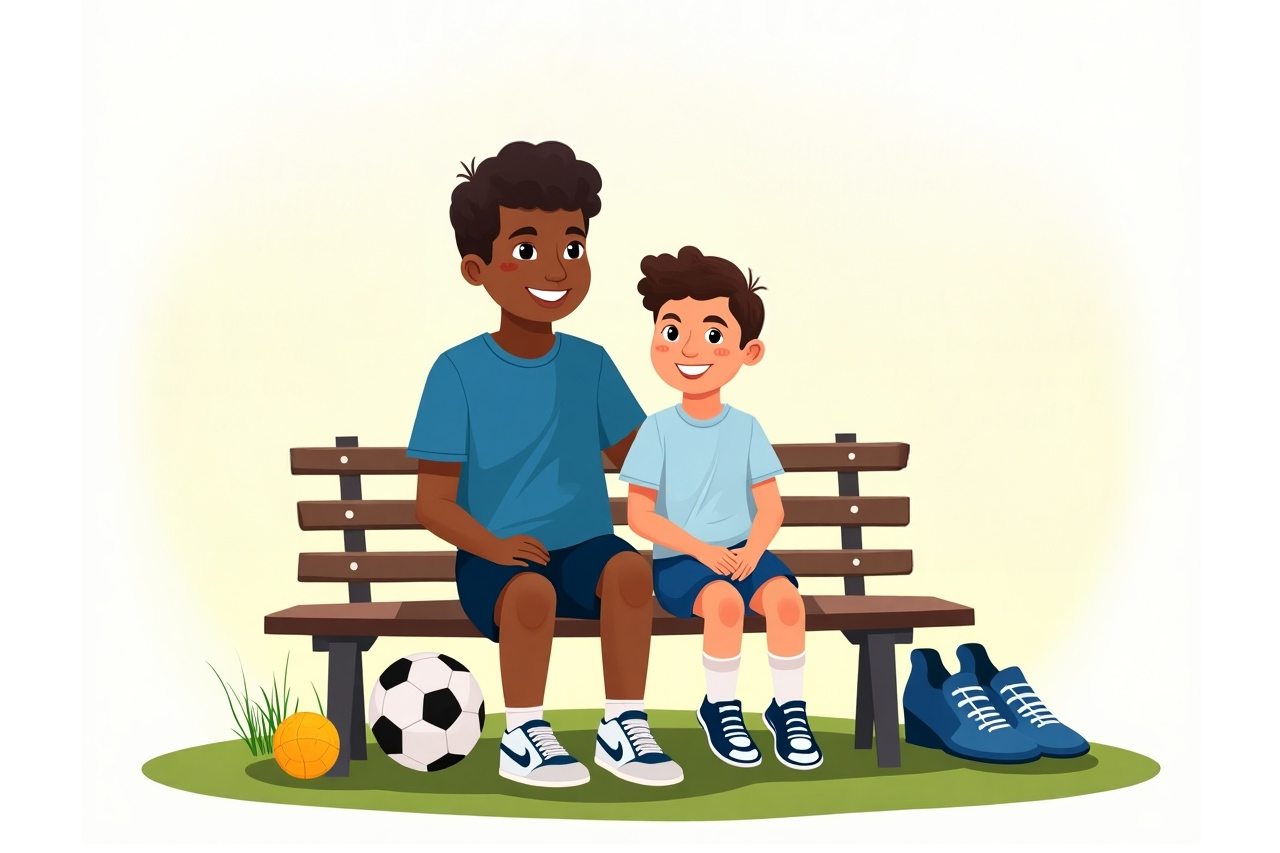
In the vibrant world of youth sports, parents play a pivotal role. As parents, we are not merely spectators; we are integral parts of our children’s athletic journeys. Our influence can shape their experiences and attitudes towards sports for years to come. This journey is not just about winning or losing; it’s about growth, resilience, and enjoyment.
Our role as parents extends beyond cheering from the sidelines. It involves understanding the dynamics of youth sports and recognising the unique needs of our children. Whether they are aspiring elite performers or simply enjoying the game with friends, each child has different motivations and aspirations. We must be mindful of these differences and support our children in ways that are meaningful to them.
Moreover, being a supportive parent means being an advocate for our child’s holistic development. This includes fostering a love for physical activity, encouraging healthy competition, and nurturing the mental and emotional well-being of our young athletes. Our guidance on providing balanced support can make all the difference in their sports experiences.
The Importance of Balanced Support for Young Athletes
Balanced support is crucial for young athletes. It involves encouraging while allowing our children to navigate their own paths. Striking a balance between support and independence helps our children develop confidence and self-reliance. It is essential to be present and engaged in their sports endeavours without overshadowing their personal growth.
To achieve this balance, we can focus on three key areas: communication, involvement, and observation. Open communication with our children about their sports experiences is essential. Asking questions, listening to their concerns, and celebrating their achievements fosters a supportive environment. Our involvement should be positive and supportive, allowing coaches and trainers to guide the technical aspects of the sport.
Observation is equally essential. By paying attention to our children’s behaviour, mood, and enthusiasm, we can identify when they need more support or space. Recognising signs of burnout or stress allows us to adjust our approach and ensure that our children enjoy their sports experiences without undue pressure.
Encouragement vs. Pressure: Finding the Right Balance
The fine line between encouragement and pressure can often become blurred. Encouragement involves providing positive reinforcement and motivation, while pressure can stem from high expectations and comparisons. As parents, it is crucial to differentiate between these two and create a supportive environment that emphasises growth and learning.
Encouragement can be expressed through praise for effort, resilience, and sportsmanship rather than solely focusing on outcomes. Celebrating small victories and personal improvements helps our children feel valued for their hard work and dedication. On the other hand, pressure often arises from setting unrealistic expectations or comparing our children to others, which can lead to anxiety and diminished enjoyment.
To maintain this balance, we can adopt a growth mindset approach in our parenting. Encouraging our children to view challenges as opportunities to learn and grow fosters resilience and a positive attitude towards sports. By focusing on their individual journey and progress, we can help our children build confidence and a lifelong love for sports.
Mental Health and Sports: Why It Matters for Young Athletes
The mental health of young athletes is just as important as their physical well-being. Sports can be a source of joy and fulfilment, but they can also bring about stress and anxiety. As parents, it is our responsibility to ensure that our children’s mental health is prioritised alongside their athletic achievements.
Sports offer an excellent platform for developing essential life skills, including teamwork, discipline, and time management. However, the pressure to perform and succeed can take a toll on young athletes’ mental health. It is crucial to create an environment where mental health is openly discussed and prioritised. Encouraging our children to express their feelings and seek support when needed is vital.
We should also be vigilant about signs of mental health struggles, such as changes in mood, behaviour, or performance. Offering support through open conversations and professional help when necessary can make a significant difference in our children’s well-being. By promoting a balanced approach to sports, we can help our young athletes thrive both mentally and physically.
Practical Guidelines for Supporting Your Child’s Sports Experience
Supporting our children’s sports experiences requires a thoughtful approach. Here are some practical guidelines to ensure that our support is effective and nurturing:
- Communicate Openly: Regularly engage in conversations with your child about their experiences in sports. Ask open-ended questions to gain a deeper understanding of their feelings and aspirations.
- Set Realistic Expectations: Encourage your child to set personal goals that are achievable and meaningful. Avoid placing undue emphasis on winning or external rewards.
- Foster a Positive Environment: Celebrate effort and improvement rather than just victories. Create a supportive atmosphere where your child feels valued regardless of the outcome./li>
- Encourage Balance: Emphasise the importance of balancing sports with academics, hobbies, and downtime. Encourage your child to pursue a variety of interests./li>
- Be a Role Model: Demonstrate healthy attitudes toward sportsmanship, resilience, and learning from setbacks. Your behaviour sets an example for your child to follow.
By incorporating these guidelines into our parenting approach, we can create a supportive environment that nurtures our children’s love for sports and contributes to their overall development.
Tailoring Support: Age-Specific Considerations for Athletes
The support we provide to our young athletes should be tailored to their age and developmental stage. Children of different ages have distinct needs and challenges, and our approach should reflect these differences.
Ages 5-8:
For young children, the focus should be on fun and exploration. Encourage participation in various sports to develop motor skills and discover interests. Emphasise enjoyment and teach basic rules and teamwork.
Ages 9-12:
As children grow, they may begin to show a preference for specific sports. Support their interests while encouraging them to try new activities. Teach the importance of practice, effort, and personal goals.
Ages 13-18:
Teenagers often face increased competition and pressure. Encourage healthy habits, stress management, and self-discipline. Discuss the importance of balancing sports with academics and social life.
By tailoring our support to our children’s developmental needs, we can help them thrive in their sports endeavours while nurturing their growth and well-being.
The Emotional Landscape of Young Athletes: What Parents Should Know
Understanding the emotional landscape of young athletes is essential for providing effective support. Sports can evoke a wide range of emotions, from joy and excitement to frustration and disappointment. As parents, it is vital to recognise and address these emotions to help our children navigate their sports experiences.
Young athletes may experience emotional highs after a successful game or tournament, but they may also face challenges such as performance anxiety or fear of failure. Open communication is key to understanding their emotions and providing reassurance. Encouraging them to express their feelings and providing a safe space for discussion can help them develop emotional resilience.
It is also essential to recognise the impact of external factors such as peer pressure, competition, and social dynamics on young athletes’ emotions. By fostering a supportive environment and promoting a healthy perspective on sports, we can help our children develop confidence, self-awareness, and a positive attitude towards challenges.
Building Resilience: Helping Athletes Cope with Setbacks
Resilience is a vital skill for young athletes, enabling them to navigate setbacks and challenges with a positive mindset. Sports offer an excellent opportunity to teach resilience, as athletes frequently encounter obstacles such as injuries, losses, and performance plateaus.
As parents, we can help our children build resilience by encouraging a growth mindset. Emphasise the importance of learning from mistakes and viewing challenges as opportunities for growth. Celebrate their efforts and progress, regardless of the outcome, to foster a sense of accomplishment and self-worth.
Additionally, teaching coping strategies such as goal setting, positive self-talk, and relaxation techniques can empower young athletes to manage stress and recover from setbacks. By nurturing resilience, we can help our children develop the skills and mindset necessary to succeed in sports and beyond.
Encouraging a Growth Mindset in Young Athletes
A growth mindset is the belief that abilities and skills can be developed through dedication and hard work. Encouraging a growth mindset in young athletes can enhance their motivation, perseverance, and enjoyment in sports.
To promote a growth mindset, focus on effort and improvement rather than innate talent. Praise your child for their hard work, dedication, and willingness to take on challenges. Encourage them to set achievable goals and celebrate their progress as they achieve them.
Provide constructive feedback that emphasises learning and growth. Encourage your child to view setbacks as opportunities for learning and improvement. By fostering a growth mindset, we can help our children develop a love for learning, embrace challenges, and achieve their full potential in sports and life.
Conclusion: The Lasting Impact of Parental Support on Athletic Success
Parental support plays a vital role in shaping our children’s athletic journeys. By providing balanced support, understanding their emotional needs, and fostering a growth mindset, we can empower our young athletes to thrive in sports and life. Our guidance on providing balanced support, encouragement, and understanding of their child’s sports experiences can have a lasting impact on their development and success.
As we continue to support our children’s athletic endeavours, let’s remember the importance of nurturing their love for sports, promoting their mental and emotional well-being, and encouraging them to pursue their passions with confidence and resilience. Together, we can create a positive and enriching sports experience that will benefit our children for years to come.
Gudrun Van Rissenbeck & Liz McCaughey
MSc, Certified life and parent coach (PCC, ICF)
MSc, Certified life and parent coach (PCC, ICF)
Please refer to the PMU articles page for more articles. PMU is committed to helping young athletes, parents, and coaches reach their full potential through psychoeducation, articles, training programs and courses.
The information provided in this article is for educational and informational purposes only. It is not intended to be a substitute for professional advice or guidance. The author and publisher of this article are not liable for any damages or losses that may result from following the information provided. It is recommended that you consult with a qualified professional before making any decisions based on the information in this article.