




Resources For Parents
Help Your Athlete Achieve Balance In Sports And Life
Supporting Young Athletes: A Quick Guide For Parents
We understand that being a supportive parent to a young athlete isn’t always easy. Balancing encouragement, discipline, and empathy can sometimes feel overwhelming, especially when your child is navigating the ups and downs of competitive sports. That’s why we’ve put together practical resources to help you along the way, offering the tools you need to provide the best possible support.
As a parent, your influence is key in shaping your child’s mindset, well-being, and overall experience in sport. Whether it’s creating a positive atmosphere on match day, ensuring they have a balanced diet, or helping them manage performance anxiety, your involvement plays a crucial role in their development. Here are a few essential areas where you can make a real difference:
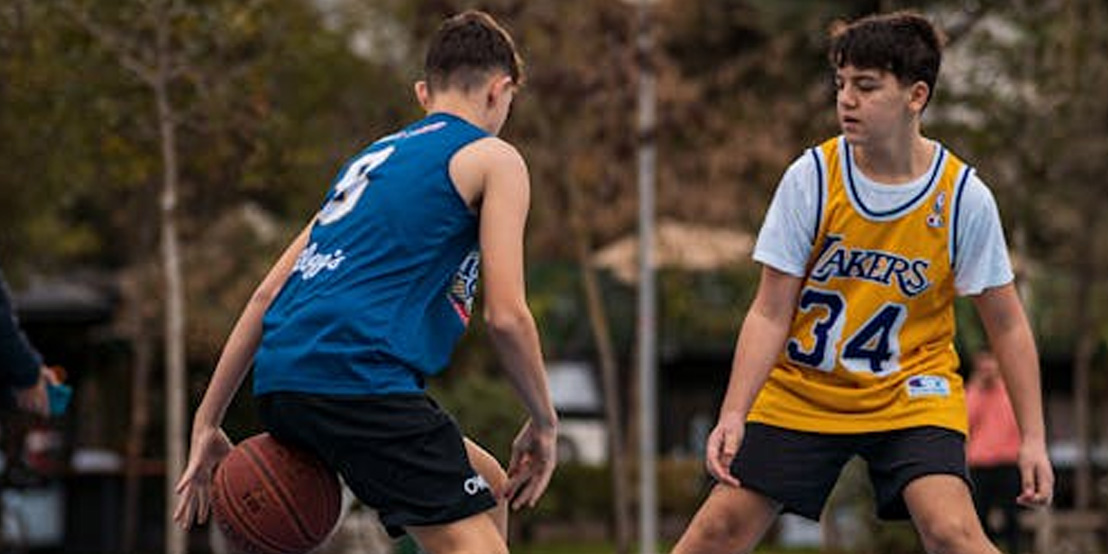
1. Positive Match Behaviour
Your behaviour during a game can either uplift or discourage your child. Demonstrating good sportsmanship, providing positive encouragement, and refraining from criticism are vital to ensuring match day remains an enjoyable experience.
Quick Tip: Celebrate effort and progress rather than results. Focus on their teamwork and improvement rather than simply winning.
What TO DO
- Cheer Encouragingly:
Focus on effort, teamwork, and progress rather than outcomes. Example: “Great hustle!” or “Way to support your teammates!” - Respect All Participants:
Applaud good plays from both teams. Treat referees, coaches, and other parents with respect, even if you disagree with their decisions. - Stay Positive:
Emphasise the joy of playing, regardless of the score. Example: “I love watching you play and seeing how much fun you’re having.” - Model Sportsmanship:
Show grace whether the team wins or loses. Example: Congratulate the opposing team and their supporters with sincerity. - Focus on the Process, Not the Outcome:
Praise hard work, improvement, and teamwork rather than winning. Example: “You’ve really improved your passing skills—keep it up!” - Be Present and Engaged:
Watch the game attentively, showing that you value their efforts. Use body language and expressions to reflect encouragement and support.
What NOT TO DO
- Avoid Coaching from the Sidelines:
Let the coach guide the team. Shouting instructions can confuse your child and undermine the coach. Instead, trust the coach and focus on being a supportive parent. - Don’t Criticise:
Avoid pointing out mistakes during or after the game. Example: Instead of saying, “You should’ve made that shot,” try, “You’ll get it next time—keep practicing!” - Refrain from Overreacting:
Don’t argue with referees, other parents, or coaches, as it sets a negative example. Avoid aggressive or loud behaviour, even when emotions run high. - Avoid Overemphasising Winning:
Placing too much importance on the score can create anxiety and detract from the joy of playing. Example: Don’t say, “You have to win today.” Instead, try, “Give it your best effort.” - Don’t Compare:
Avoid comparing your child to teammates or opponents. Example: Don’t say, “Why can’t you play like [name]?” Instead, focus on their individual progress. - Don’t Discuss Performance Immediately After:
Allow your child time to decompress after the match. Avoid dissecting the game on the car ride home unless they initiate the conversation.
Key Takeaways
- Keep pre-game talks light, encouraging, and focused on effort and enjoyment.
- Use post-game talks to celebrate effort, highlight positives, and frame mistakes as growth opportunities.
- Listen more than you speak—your role is to support and guide, not critique.
- Make the match day experience a safe space for your athlete, regardless of the game’s outcome.
By modelling positive behaviour, you can make match day an enjoyable, empowering, and meaningful experience for your young athlete.
2. Balanced Nutrition
Proper nutrition is essential for young athletes to sustain energy, recover well, and maintain good health. Balanced meals, regular hydration, and suitable pre- and post-match snacks can have a significant impact on their performance.
Quick Tip: Get your child involved in preparing meals and snacks, and discuss how good nutrition supports their body and mind.

Fueling Young Athletes: A Guide for Parents
Good nutrition is critical for young athletes to perform their best, recover effectively, and maintain overall health. Just like a car needs the right fuel to run, young athletes need balanced meals and snacks to keep their bodies and minds sharp during training and competitions.
Key Nutrition Principles
- Carbohydrates
– Role: Provide the main source of energy.
– Examples: Whole grain bread, pasta, rice, fruits, and vegetables.
– Tip: Include carbs in meals and snacks before and after games to replenish energy stores. - Proteins
– Role: Help repair and build muscles.
– Examples: Lean meats, fish, eggs, beans, nuts, and dairy.
– Tip: Pair protein with carbs after exercise for optimal recovery. - Fats
– Role: Support long-lasting energy and aid in absorbing vitamins.
– Examples: Nuts, seeds, avocados, and olive oil.
– Tip: Include small amounts of healthy fats in daily meals. - Hydration
– Role: Maintains energy levels and prevents fatigue.
– Examples: Water is the best option; sports drinks can be useful for intense, prolonged activities.
– Tip: Encourage consistent hydration throughout the day, not just during games.
Game Day Nutrition Guide
- Before Competition (3-4 hours prior)
Focus on effort, teamwork, and progress rather than outcomes.
Example: “Great hustle!” or “Way to support your teammates!” - During Competition
Snack on easily digestible carbs if needed.
Examples: Banana, pretzels, or a sports drink. - After Competition (Within 30 minutes)
Combine carbs and protein to replenish energy and aid muscle recovery.
Example Snack: Chocolate milk and a granola bar.
How Parents Can Help
- Plan Ahead:
– Prepare balanced meals and snacks in advance to avoid relying on processed foods.
– Pack a cooler for long competition days with options like yogurt, nuts, fruit, and whole-grain crackers. - Model Healthy Eating:
– Show your athlete the importance of balanced meals by practicing healthy eating yourself.
– Discuss the benefits of good nutrition for energy, strength, and focus. - Involve Your Athlete:
– Let them choose from healthy options and learn to make good food decisions.
– Use fun, interactive activities like reading food labels together.
Phrases to Encourage Healthy Choices
- What’s your game plan for fueling today?
- How about packing some energy-boosting snacks for your match?
- Your body works hard—let’s give it the fuel it needs to recover and grow!
- Remember, eating well today helps you play your best tomorrow.
Key Takeaways
- Balanced meals with carbs, proteins, and fats provide the energy and recovery young athletes need.
- Hydration is essential—encourage regular water intake throughout the day.
- Planning and modeling healthy habits can empower your athlete to make smart nutrition choices.
By focusing on fueling for performance, you can help your young athlete feel their best and succeed both on and off the field.
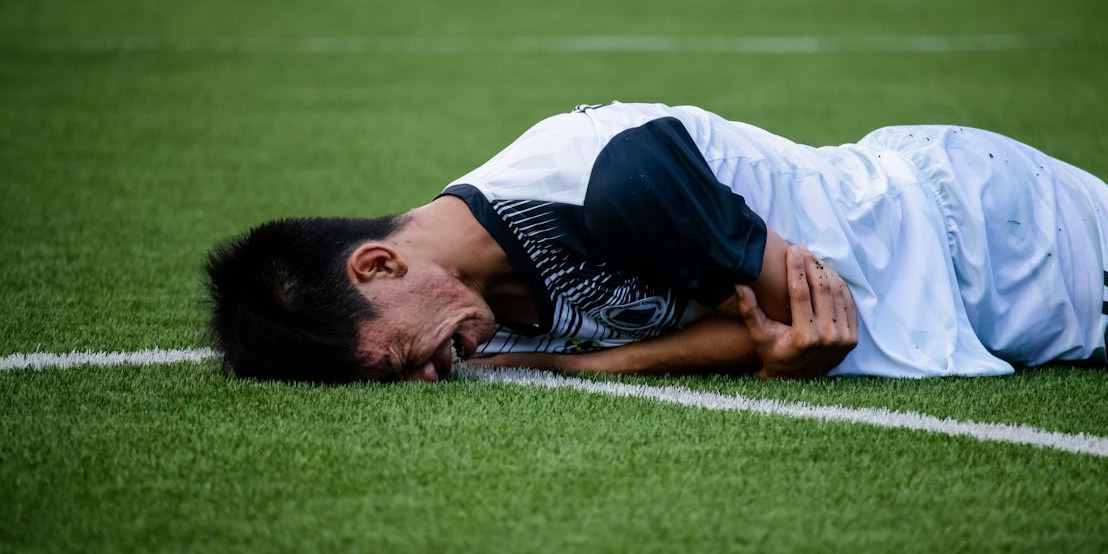
3. Managing Performance Anxiety
Feeling nervous before a competition is completely normal. Helping your child understand this and equipping them with strategies, such as relaxation techniques or focusing on effort rather than outcomes, can reduce anxiety and boost confidence.
Quick Tip: Try practising breathing exercises like the 4-7-8 technique together to help them stay calm and focused before a match.
Helping Your Young Athlete Manage Performance Anxiety
Performance anxiety is a common experience for athletes, especially those performing in front of others. It’s natural to feel nervous before competitions, but for some young athletes, anxiety can interfere with enjoyment and performance.
Key Signs and Symptoms of Performance Anxiety
- Feeling nervous, irritable, or on edge.
- Increased heart rate, sweating, or trembling.
- Difficulty concentrating or making decisions.
- Trouble sleeping or fatigue.
- Stomach aches or gastrointestinal issues.
It’s essential for parents to recognise these signs and offer proactive support.
How You Can Help
- Normalise Anxiety:
Explain that it’s okay to feel nervous. Share examples of how even top athletes experience performance anxiety but learn to manage it.
Phrase to Use: “Feeling nervous is your body’s way of getting ready to perform. It’s a sign that you care and want to do your best.” - Focus on the Process, Not the Outcome:
Encourage your athlete to set process-oriented goals (e.g., “focus on effort” or “improve one skill”) rather than fixating on winning.
Phrase to Use: “What’s one thing you want to focus on today during the game?” - Highlight the Fun and Growth:
Shift attention from pressure to enjoyment and personal growth. Remind them why they started playing—because it’s fun and fulfilling.
Phrase to Use: “Let’s remember why you love this sport. It’s about learning, growing, and having fun!” - Teach Relaxation Techniques:
Practice simple tools like controlled breathing and visualisation with your athlete to help them stay calm under pressure.
Exercise: Try the 4-7-8 Breathing Technique:
- 1. Inhale through your nose for 4 seconds.
- 2. Hold your breath for 7 seconds.
- 3. Exhale through your mouth for 8 seconds.
Repeat 3-4 times.
Phrase to Use: “Take a deep breath, count to four, and let’s picture the positive outcome together.”
Support Healthy Habits:
Encourage balanced meals, regular exercise, and plenty of sleep. A well-rested and well-nourished body is better equipped to handle stress.
Phrase to Use: “How about a good night’s sleep and a healthy breakfast to fuel you for tomorrow?”
When to Seek Additional Support
If your child’s anxiety persists and significantly impacts their enjoyment of sport, it may be time to consult a professional. A sports psychologist can provide specialised strategies to manage anxiety and build confidence.
Key Takeaways for Parents
- Listen to your athlete. Provide a safe space for them to share their concerns.
- Normalise their feelings. Remind them that anxiety is natural and manageable.
- Encourage healthy habits and relaxation techniques.
- Focus on the process, personal growth, and enjoyment over outcomes.
Remember: Your role as a supportive and understanding parent can make all the difference in helping your young athlete turn nerves into confidence and joy.
4. Positive Discipline
Positive discipline in sport is about teaching and guiding rather than punishing. Encouraging self-discipline, resilience, and problem-solving helps your child learn from mistakes and grow both as an athlete and as a person.
Quick Tip: Stay calm when addressing mistakes and focus on what can be done differently next time, rather than placing blame.
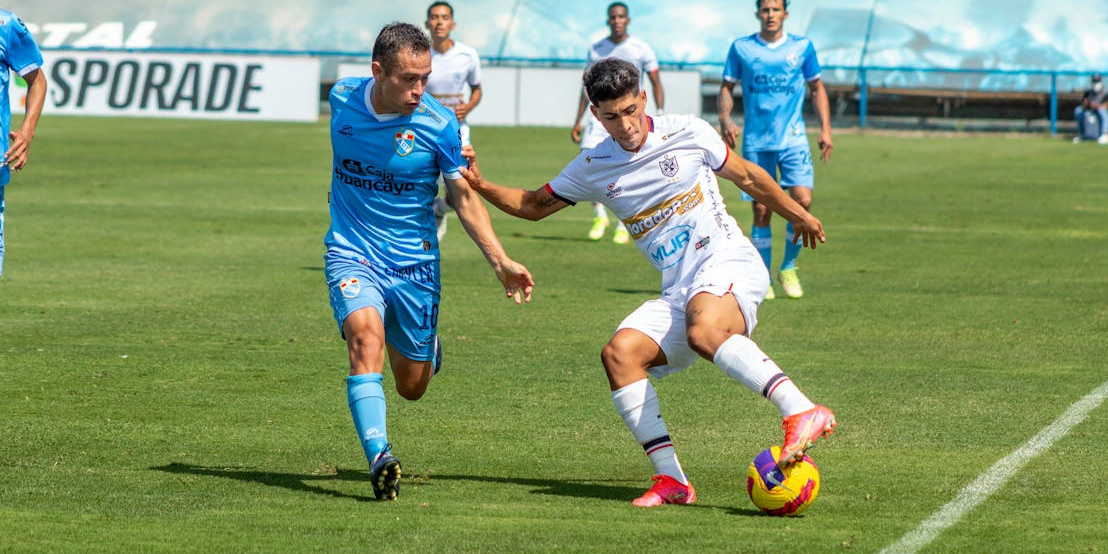
Positive Discipline in Sports: A Brief Note for Parents
Positive discipline is about guiding young athletes to learn from their mistakes and grow, rather than punishing them for errors. The focus is on teaching and supporting self-discipline, which helps build confidence, resilience, and a positive attitude towards sport and life.
Key Principles of Positive Discipline
- 1. Stay Calm:
Respond to missteps without anger to ensure your athlete feels supported, not criticised. Calm responses help children learn from their mistakes. - 2. Focus on Teaching, Not Punishing:
Discipline should be about showing the right way to handle situations, helping your child understand the impact of their actions, and encouraging better choices next time. - 3. Connect Before Correcting:
Acknowledge your child’s feelings before addressing the behaviour. For example: “I can see you’re frustrated about missing that shot. Let’s talk about how you can work on it.” - 4. Set Clear Expectations:
Establish simple, positive rules that emphasise what your child *should* do instead of what they *shouldn’t*. - 5. Use Consequences Wisely:
Consequences should be immediate, fair, and linked to the behaviour. For example: “Since we agreed the uniform must be ready for practice, you’ll need to take extra time to clean it tonight.”
How to Support Your Young Athlete
- 1. Understand Their Perspective:
Recognise that mistakes are part of learning. Consider the causes of their behaviour (e.g., frustration, fatigue, hunger). - 2. Praise Effort Over Results:
Highlight their hard work and determination rather than just the outcomes. Example: “I noticed how hard you worked on your dribbling today. That’s how improvement happens!” - 3. Model the Behaviour You Want to See:
Show sportsmanship, patience, and positive communication in your own actions. - 4. Encourage Problem-Solving:
Guide your child to think about how they could handle situations better in the future. Example: “What could you do differently next time to avoid that penalty?”
Phrases to Use in Challenging Situations
- “It’s okay to feel disappointed about losing. What’s one thing you can focus on to improve next time?”
- “Everyone makes mistakes—what matters is what we learn from them.”
- “I love watching you play. It’s your effort and attitude that matter most to me.”
- “Let’s figure out together what went wrong and how you can fix it.”
The Role of Consequences
- 1. Natural Consequences:
Allow your child to experience the results of their actions. Example: If they forget their water bottle, they feel thirsty during training. - 2. Fix-It Consequences:
Encourage your athlete to correct their mistakes. Example: If they argue with a teammate, they can apologise and find a way to collaborate better.
Key Takeaways
- Positive discipline is about teaching, not punishing.
- Stay calm, connect with your child, and focus on learning opportunities.
- Use mistakes as a chance to grow, not a reason for criticism.
- Celebrate effort and progress to build confidence and resilience.
By supporting your young athlete with positive discipline, you help them develop the skills they need to succeed both on and off the field.
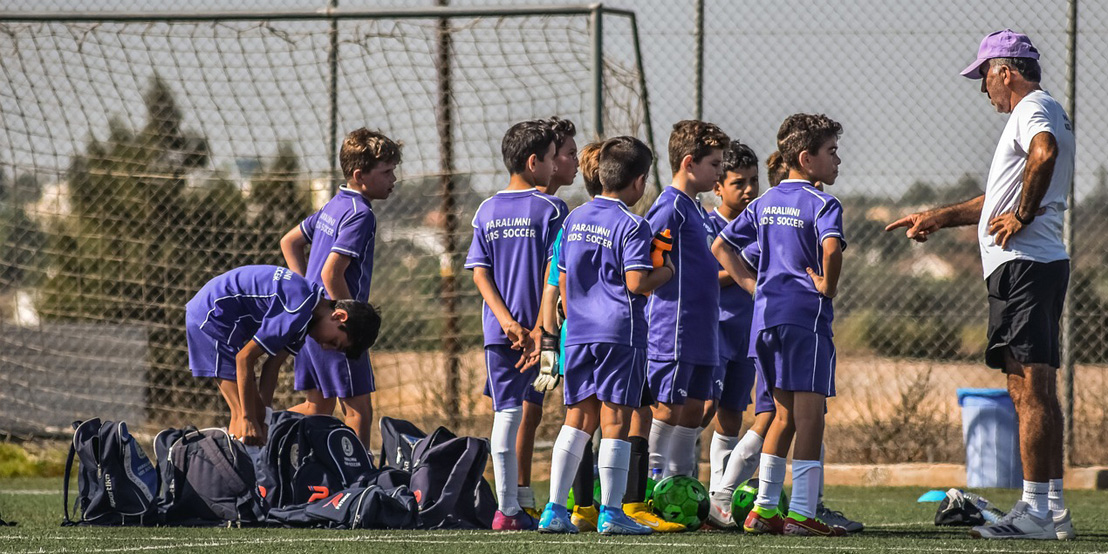
5. Pre- and Post-Match Conversations
The car ride to and from matches is a valuable opportunity to connect with your child. Pre-match conversations should be light-hearted and focused on enjoyment, while post-match discussions should allow your child to lead, offering space for reflection.
Quick Tip: After a match, ask open-ended questions like, “What did you enjoy most about today’s game?” or “What do you think you did really well?” to encourage self-reflection without adding pressure.
Pre-Game and Post-Game Car Talk: A Guide for Parents
For many parents and young athletes, the car ride to and from games is a sacred space for connection. What you say (or don’t say) during these moments can set the tone for their confidence, focus, and enjoyment. Positive and supportive car talks help athletes prepare mentally and reflect constructively, making the experience of sport both rewarding and growth-oriented.
Pre-Game Car Talk
Your goal before a game is to help your child feel calm, confident, and ready to enjoy the experience.
What to Focus On:
- Set a Positive Tone: Remind them why they love the sport and emphasise the joy of playing. Keep the conversation light and encouraging.
- Minimise Pressure: Avoid fixating on outcomes like winning or scoring. Focus on effort, teamwork, and having fun.
- Encourage Preparation: Ask simple, process-oriented questions to help them focus.
Phrases to Use:
- “I love watching you play—just go out there and do your best!”
- “What’s one thing you want to focus on during the game today?”
- “Remember, it’s about having fun and supporting your team.”
- “You’ve got this—trust your training and enjoy yourself.”
Post-Game Car Talk
After a game, your goal is to create a safe space for reflection, whether it was a win, loss, or tough performance.
What to Focus On:
- Let Them Lead: Avoid jumping in with your own analysis. Give them time to process and share their thoughts first.
- Celebrate Effort and Growth: Highlight moments of hard work, improvement, or positive attitude.
- Provide Support, Not Criticism: Frame mistakes as learning opportunities. Focus on progress, not perfection.
- End on a Positive Note: Remind them of their effort and encourage them to keep going.
Phrases to Use:
- “What was your favourite moment in the game today?”
- “I noticed how hard you worked on [specific skill]—great effort!”
- “What’s one thing you think you did really well today?”
- “Everyone has off days—it’s all part of learning and growing.”
- “I’m so proud of you for giving it your all.”
What to Avoid
Before the Game:
- Overloading them with advice or strategy.
- Comparing them to teammates or opponents.
Key Takeaways
After the Game:
- Criticising their performance or focusing on mistakes.
- Reliving the game play-by-play if they don’t want to talk.
Key Takeaways
- Keep pre-game talks light, encouraging, and focused on effort and enjoyment.
- Use post-game talks to celebrate effort, highlight positives, and frame mistakes as growth opportunities.
- Listen more than you speak—your role is to support and guide, not critique.
- Make the car ride a safe space for your athlete, regardless of the game’s outcome.
Your words matter. By offering encouragement, understanding, and positivity, you can help your child embrace the challenges of sport with confidence and resilience.
Our Goal
Our goal is to empower parents with practical strategies that foster a positive sporting environment for young athletes. By using our tools and resources, you can help your child enjoy their sporting experience, develop resilience, and build a healthy, balanced mindset both on and off the field.
Our goal is to empower parents with practical strategies that foster a positive sporting environment for young athletes. By using our tools and resources, you can help your child enjoy their sporting experience, develop resilience, and build a healthy, balanced mindset both on and off the field.
Feeling like not everything is working out? Then maybe it is time to consider Mindset Coaching