




Turning Mistakes into Learning Moments: The “Next Play” Mindset
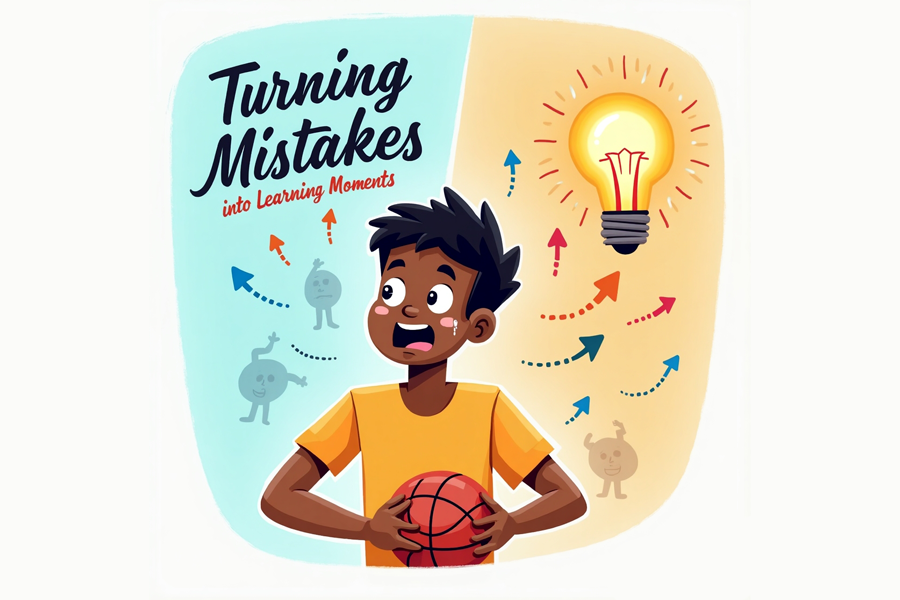
Hey there, future stars! 🌟 Whether you’re dribbling down the court, sprinting down the field, or diving into the pool, one thing is for sure: mistakes happen. It’s a part of being an athlete! What matters most is how we deal with those mistakes. Let’s talk about the “next play” mindset and how it can help you shake off frustration and keep moving forward!
Understanding the “Next Play” Mindset
The “next play” mindset is all about focusing on what’s next instead of dwelling on what just happened. Imagine you missed a shot or made an error. Instead of letting that mistake cloud your mind, you remind yourself: “Next play!” This mindset helps you stay in the game, both mentally and physically.
Why It Matters
Research indicates that athletes who quickly recover from mistakes tend to perform better. When you become frustrated, it can impact your confidence and performance. Embracing the “next play” mindset helps you maintain a positive attitude and keeps you focused on what you can control.
Tips to Cultivate a “Next Play” Mindset
Here are some practical, age-appropriate strategies you can use to develop this helpful mindset:
1. Acknowledge Your Feelings
It’s okay to feel upset or frustrated when you make a mistake. Take a moment to acknowledge how you feel. This doesn’t mean you dwell on it—just recognise it. Try saying to yourself, “I’m feeling frustrated, but that’s okay. I can move on.”
2. Practice Deep Breathing
When you feel overwhelmed, take a few deep breaths. Inhale through your nose for four counts, hold for four, and exhale through your mouth for four counts. This simple technique can help calm your nerves and refocus your mind.
3. Visualize Success
Close your eyes for a moment and visualise your next successful play. Imagine yourself making that perfect shot, pass, or dive. This mental practice can boost your confidence and remind you of your skills.
4. Set Short-Term Goals
Instead of thinking about the whole game, set a goal for the next few minutes. For example, focus on making the next three passes accurately. This keeps your mind engaged in the present and reduces the weight of past mistakes.
5. Talk to Yourself Positively
Use positive self-talk to encourage yourself. Phrases like “I can do this” or “I’m ready for the next challenge” can shift your mindset. Remember, you’re your biggest supporter!
6. Learn from Mistakes
Mistakes are opportunities to grow. After the game or practice, reflect on what went wrong and how you can improve. This way, you’re not just forgetting the mistake—you’re learning from it!
7. Surround Yourself with Support
Discuss your feelings with your teammates, coaches, or friends. Sharing your thoughts can lighten the load and help you realise you’re not alone in facing challenges.
The Power of Resilience
Being resilient means bouncing back from setbacks, and it’s a skill you can develop. Remember, every elite athlete has faced challenges and made mistakes. What sets them apart is their ability to reset and focus on the next play.
Conclusion
Embracing the “next play” mindset is a powerful tool in your athletic journey. By learning to shake off mistakes quickly, you’ll not only enhance your performance but also enjoy the game more. So the next time you stumble, remember: “Next play!” Keep moving forward, stay positive, and let your passion shine. You’ve got this! 💪✨
Make sure to practice these techniques regularly, and soon, you’ll find that bouncing back from mistakes becomes second nature. Enjoy your journey, and keep aiming for greatness!
Gudrun Van Rissenbeck & Liz McCaughey
MSc, Certified life and parent coach (PCC, ICF)
Please refer to the PMU articles page for more articles. PMU is committed to helping young athletes, parents, and coaches reach their full potential through psychoeducation, articles, training programs and courses.
The information provided in this article is for educational and informational purposes only. It is not intended to be a substitute for professional advice or guidance. The author and publisher of this article are not liable for any damages or losses that may result from following the information provided. It is recommended that you consult with a qualified professional before making any decisions based on the information in this article.