




Why young athletes quit training: Understanding the dropout phenomenon
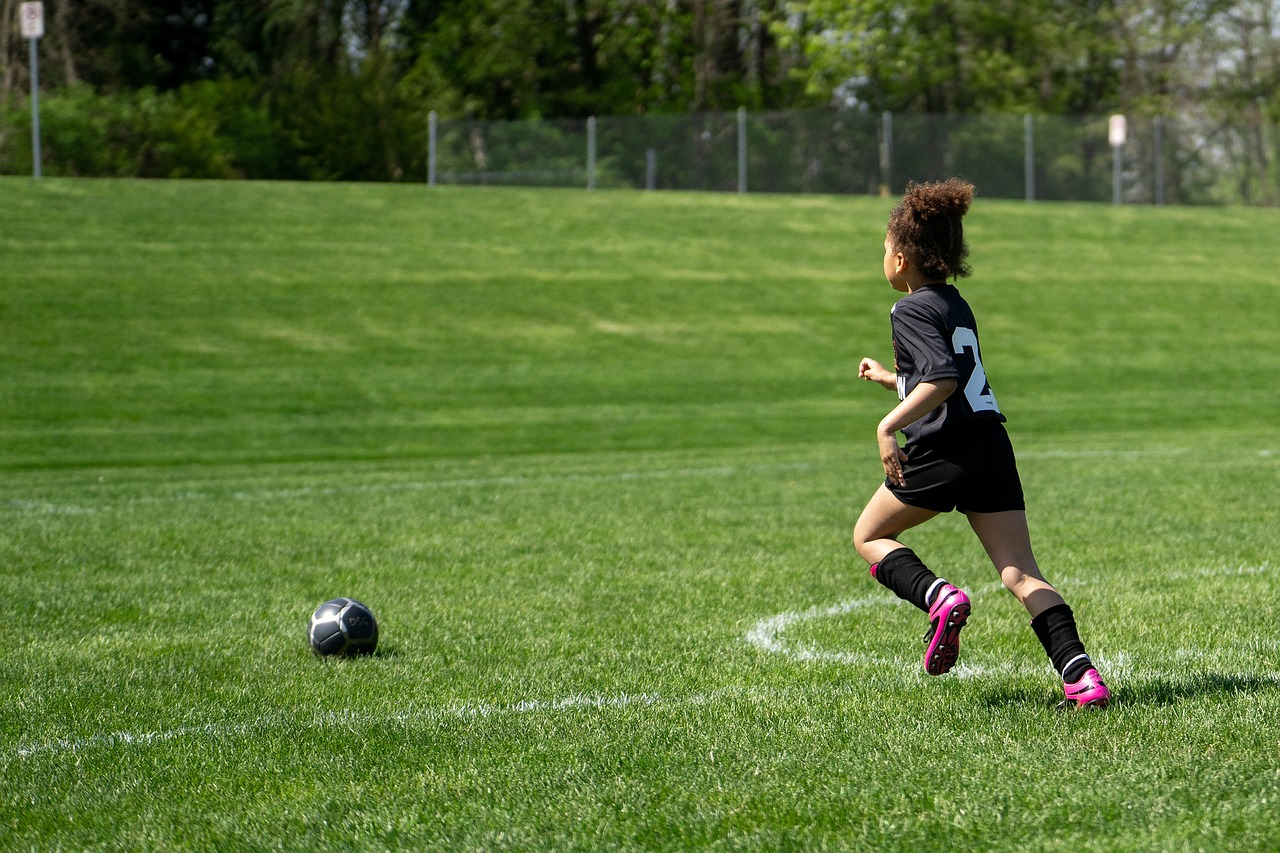
Why do so many young athletes walk away from the sports they once loved? It’s a question that concerns parents, coaches, and sports organisations alike. While some departures are inevitable—interests change, priorities shift—many dropouts stem from preventable issues. The good news? When we understand the reasons young athletes disengage, we can build a sporting environment that nurtures long-term participation, enjoyment, and growth.
Loss of motivation: The hidden enemy
At the core of sustained participation is motivation. When this fades, so does an athlete’s commitment. According to Self-Determination Theory (SDT), athletes need three things to stay engaged: autonomy (a sense of control), competence (a feeling of progress), and connection (a supportive environment).
🚨 When sport becomes about pressure rather than enjoyment, motivation declines.
🚨 When progress stalls, young athletes question their purpose in training.
🚨 When they feel like they’re letting others down, self-doubt creeps in.
✅ Better approach: Coaches and parents can foster intrinsic motivation by celebrating effort, focusing on growth, and ensuring athletes feel valued beyond performance.
Injuries: A major roadblock
For young athletes, injuries can be physically painful and emotionally discouraging. Overuse injuries—especially in those who specialise too early in one sport—can force extended breaks from training, leading to loss of confidence and identity. Studies show that female athletes are particularly at risk.
🚨 Injury setbacks often lead to disengagement, especially if the athlete feels unsupported during recovery.
🚨 Fear of re-injury can create hesitation, reducing performance and enjoyment.
✅ Better approach: Injury prevention, recovery support, and mental resilience training should be prioritised to help young athletes return with confidence.
Pressure and burnout: When passion turns into stress
Sport should be challenging but enjoyable. However, excessive pressure—whether from coaches, parents, or self-imposed expectations—can turn a passion into a burden. When young athletes feel they must constantly meet unrealistic standards, they begin to resent the sport rather than enjoy it.
🚨 Burnout symptoms: Exhaustion, declining performance, emotional detachment.
🚨 Early specialisation increases risk—focusing on one sport too soon can lead to mental and physical fatigue.
✅ Better approach: Encourage balance, rest, and a long-term perspective on development. Athletes who enjoy the journey rather than obsess over outcomes stay in the game longer.
Negative social influences: The impact of parents, peers, and coaches
A young athlete’s environment shapes their experience. Supportive teammates, encouraging coaches, and understanding parents fuel resilience and enjoyment. But when exposed to toxic coaching, overbearing parental expectations, or strained peer relationships, sport can become an emotional drain.
🚨 Harsh criticism, unrealistic comparisons, or negative coaching styles make young athletes disengage.
🚨 Lack of belonging—if they don’t feel valued within the team, they may lose interest.
✅ Better approach: Psychological safety matters. Coaches and parents should prioritise encouragement, open communication, and a focus on learning rather than criticism.
Creating a culture of longevity in sport
Understanding why young athletes quit is the first step to preventing unnecessary dropouts. A holistic approach that prioritises:
✅ Motivation – Build a culture where effort and growth matter more than results.
✅ Injury prevention – Educate athletes on recovery, resilience, and long-term health.
✅ Balanced expectations – Allow room for mistakes, rest, and a multi-sport approach.
✅ Supportive environments – Ensure that sport remains a positive, psychologically safe space for young athletes.
The goal isn’t just to develop skilled players—it’s to foster a lifelong love for sport. Winning medals is temporary, but a passion for movement, challenge, and self-improvement should last a lifetime.
How can we help young athletes stay in the game? Let’s build a sporting culture that keeps them inspired, motivated, and thriving.